

Dental implants are one of the most effective ways to replace missing or severely damaged teeth. They restore both the appearance and function of your smile, while also helping protect your long-term oral health. But if you’re considering dental implants, you likely have a few important questions. How does the process actually work? What are implants made of? How do they match the look of your natural teeth? And what are your options for covering the cost?
In this article, we’ll walk you through what to expect from start to finish.
What Is a Dental Implant?
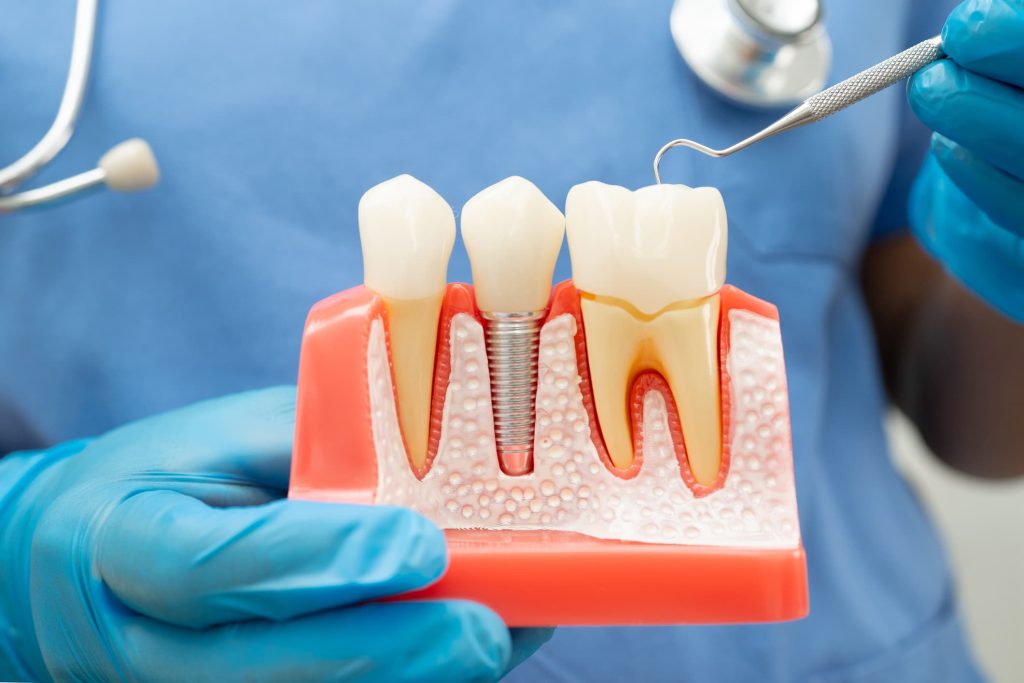
A dental implant is a small medical-grade post that is surgically placed into the jawbone where a tooth is missing. It serves as a foundation for a crown, bridge, or denture. The post functions like a natural tooth root and provides a stable anchor for the replacement tooth.
Most dental implants are made from titanium, a biocompatible material that integrates safely with the jawbone. Some patients may also be candidates for zirconia implants, which are ceramic and metal-free. Both options are designed to work with your body and provide a long-lasting solution.
What to Expect During the Implant Process
The process of receiving a dental implant is done in several phases. Treatment is tailored to each patient, but here’s a general overview of how it works.
1. Consultation and Evaluation
The first step is an in-depth consultation. During this visit, your oral surgeon will examine your mouth, take 3D scans, and discuss your medical and dental history. This evaluation helps determine whether you’re a good candidate for implants.
Some patients may only need a single tooth implant, while others may need multiple tooth implants to replace a bridge or support a full-arch prosthesis.
We’ll also assess the amount of bone available in the jaw. If bone loss is present, a grafting procedure may be recommended before implant placement.
2. Preparation Procedures (If Needed)
To create the right foundation for your implant, we may recommend:
- Tooth extraction, if a damaged or infected tooth is still in place
- Bone grafting, to rebuild the jawbone where tissue has been lost
These steps are taken to ensure the implant has enough bone to integrate properly. Healing time after these procedures varies, but is essential for long-term success.
3. Implant Placement Surgery
Once the site is ready, your oral surgeon will place the titanium post into the jawbone. The area is numbed with local anesthesia, and most patients also opt for IV sedation for a more relaxed experience. After placement, the bone begins to heal around the implant in a process called osseointegration. This typically takes a few months.
During this time, we monitor your healing progress closely.
4. Abutment and Final Restoration
After the implant has fully integrated, a small connector called an abutment is attached to the top. This piece will support the final crown, bridge, or denture.
We work closely with your dentist or lab to ensure your restoration fits properly and matches the natural color and shape of your surrounding teeth. The goal is a seamless appearance that looks and feels just like your own teeth.
How Do You Make Sure the New Tooth Matches?
One common concern patients have is whether their replacement tooth will blend in. We take special care to ensure it does.
Your surgeon and restorative dentist will evaluate your bite, smile line, tooth shade, and gum contour to match the implant crown as closely as possible to your natural teeth. We use high-resolution digital imaging and partner with skilled dental labs to achieve lifelike results.
Most people find that once the final crown is placed, it’s hard to tell which tooth is the implant.
How Long Do Dental Implants Last?
With proper care, dental implants are designed to last for many years. In fact, they are considered one of the most durable and reliable solutions for tooth replacement. Daily brushing and flossing, along with regular dental checkups, are key to maintaining your implants over time.
Unlike dentures, implants are fixed in place and do not shift or require adhesives. They also help prevent jawbone loss, which is common after tooth loss.
You can read more about the benefits of dental implants here.
How Much Do Dental Implants Cost?
The cost of dental implants can vary based on several factors:
- Number of implants needed
- Type of restoration (crown, bridge, denture)
- Whether bone grafting or extractions are required
- Type of anesthesia used
- Insurance coverage
During your consultation, we’ll provide a clear, personalized estimate. We accept many forms of dental insurance and offer financing options to help make treatment more accessible.
We understand that affordability is a top concern, and our team is here to walk you through your payment and insurance options in detail.
Is the Procedure Painful?
Another common question we hear is whether the procedure is painful. With today’s sedation and anesthesia options, most patients report that the experience is easier than expected. You may feel mild soreness afterward, similar to what you’d experience after a tooth extraction. This typically subsides within a few days and can be managed with over-the-counter pain medication.
When to Consider Dental Implants
If you’ve lost one or more teeth and want a solution that looks natural and helps preserve your oral health, implants may be the right choice. They are commonly used for:
- Replacing a single missing tooth
- Supporting a dental bridge
- Anchoring a full-arch prosthesis
- Restoring confidence in your smile and bite function
You can learn more about dental implants and how they compare to other treatment options by exploring our site or speaking with our team directly.
Let’s Talk About Your Smile Goals
Our team at Innovative Oral Surgery is here to help you restore your smile in a way that fits your needs, lifestyle, and budget. If you’re ready to explore whether implants are right for you, we encourage you to schedule a consultation.
Contact us to schedule an appointment and take the first step toward renewed comfort and confidence.